Cart
0
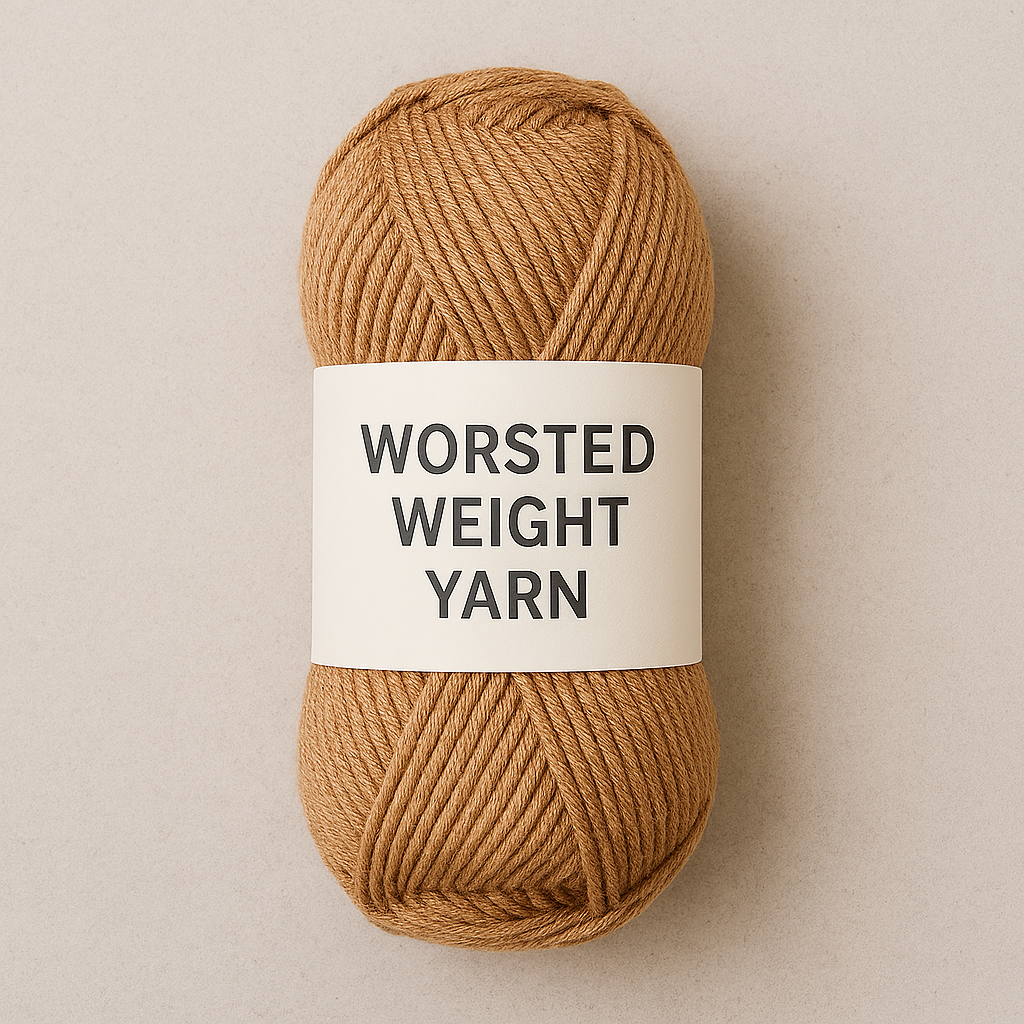
If you’ve ever browsed yarn online or in a craft store, you’ve probably seen the term “worsted weight” pop up again and again. It’s one of the most popular yarn weights out there, especially for beginners, but what does it actually mean?
Worsted weight yarn is a medium-thickness yarn that sits right in the middle of the yarn weight scale. It’s thicker than sport or DK yarn, but thinner than bulky yarn. That makes it incredibly versatile—easy to work with, not too heavy, and perfect for a wide range of projects like scarves, hats, blankets, and sweaters.
One of the reasons worsted weight yarn is so beginner-friendly is that it’s easy to see your stitches. The yarn isn’t too thin or too thick, so your loops and patterns show up clearly as you work. This helps you learn how stitches are formed and makes it easier to spot mistakes before they get too far. It also glides smoothly on most crochet hooks, which makes practicing feel more natural and less frustrating.
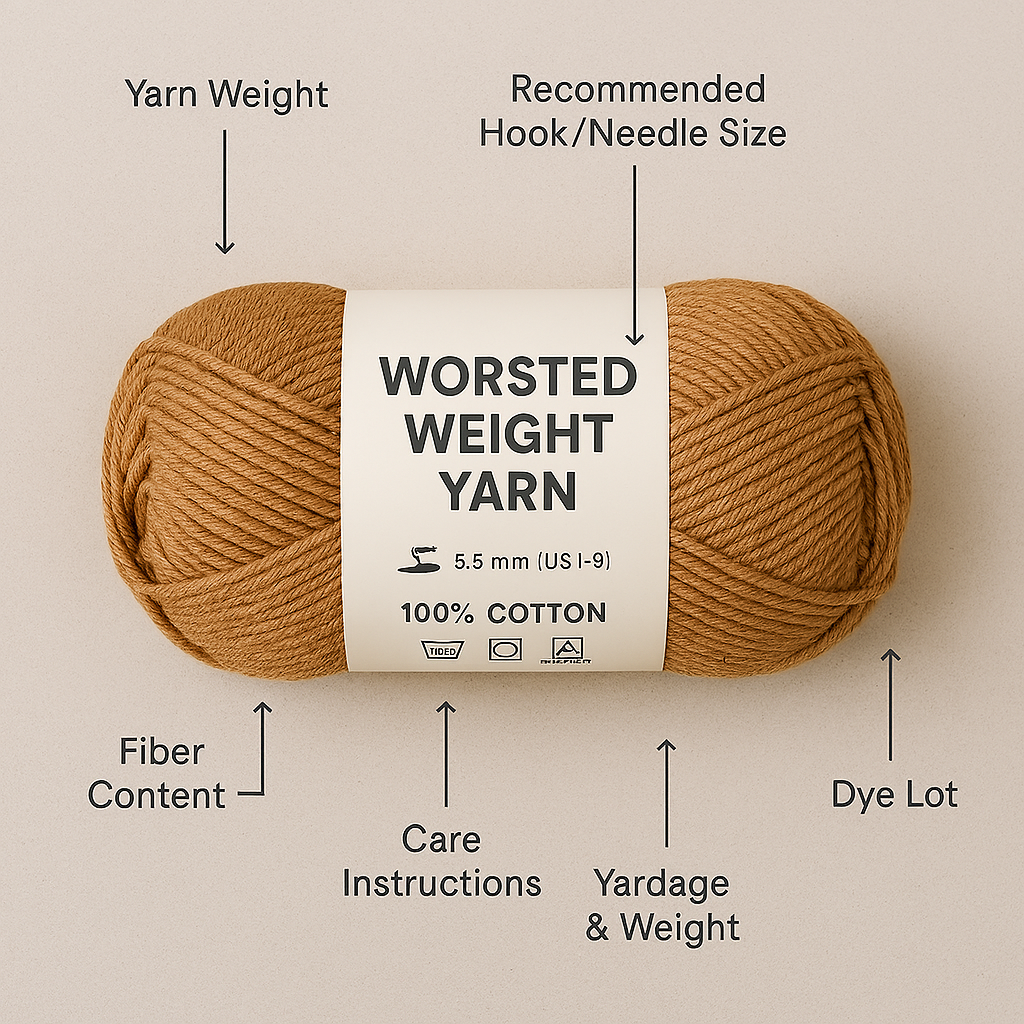
Most worsted weight yarns recommend a hook size between 5.5 mm and 6.5 mm, but you can adjust depending on your tension and the look you want. If you want a looser, drapier fabric, go up a hook size. If you want tighter, more structured stitches, go down a size. Yarn labels usually include a suggested hook size, so that’s a great place to start.
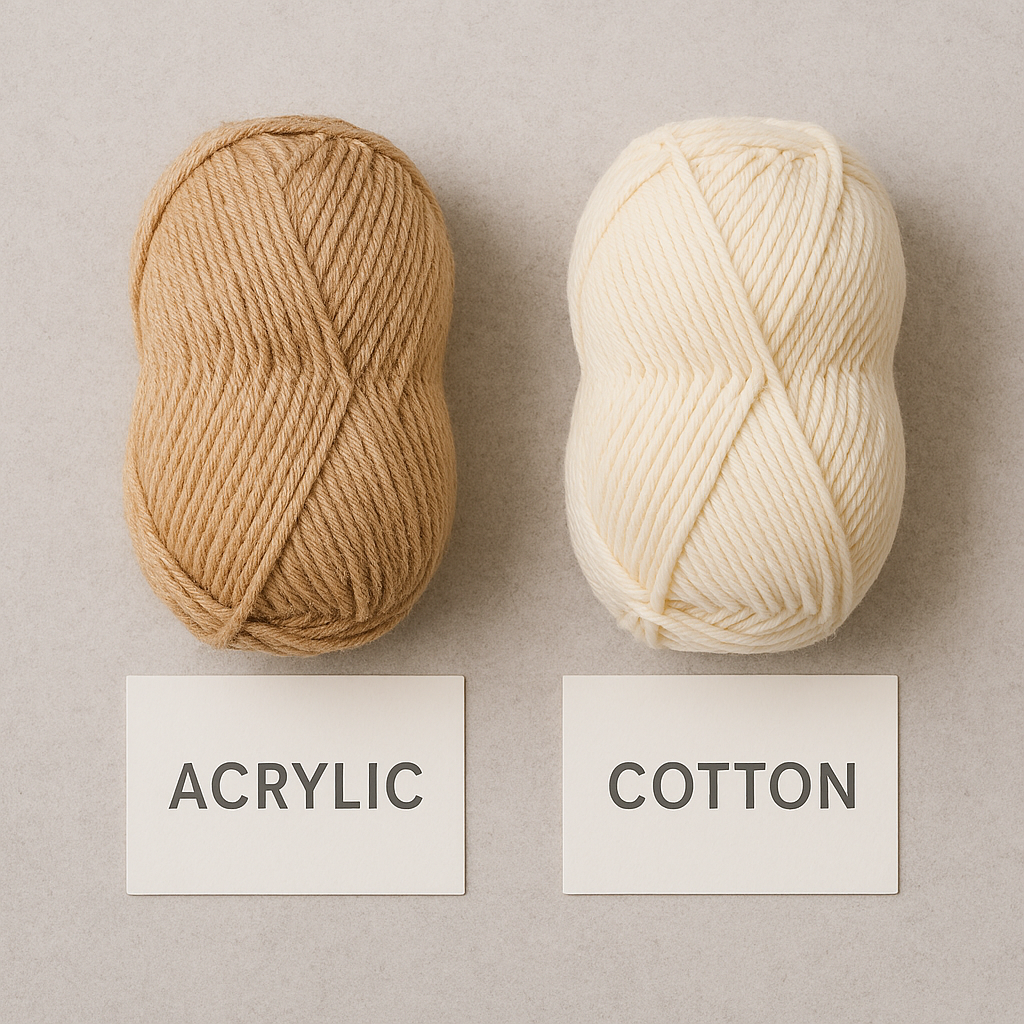
Worsted weight yarn comes in all kinds of fibers—acrylic, cotton, wool, and blends—so you can choose the texture and feel that suits your project. Acrylic worsted yarn is soft and affordable, great for cozy wearables. Cotton worsted yarn is crisp and sturdy, perfect for home goods. Wool worsted yarn adds warmth and bounce, ideal for winter accessories.
If you’re just starting out, worsted weight yarn is a safe and satisfying choice. It’s forgiving, easy to handle, and widely available in every color you can imagine. Once you get comfortable with it, you’ll be able to explore other yarn weights with confidence.