Cart
0
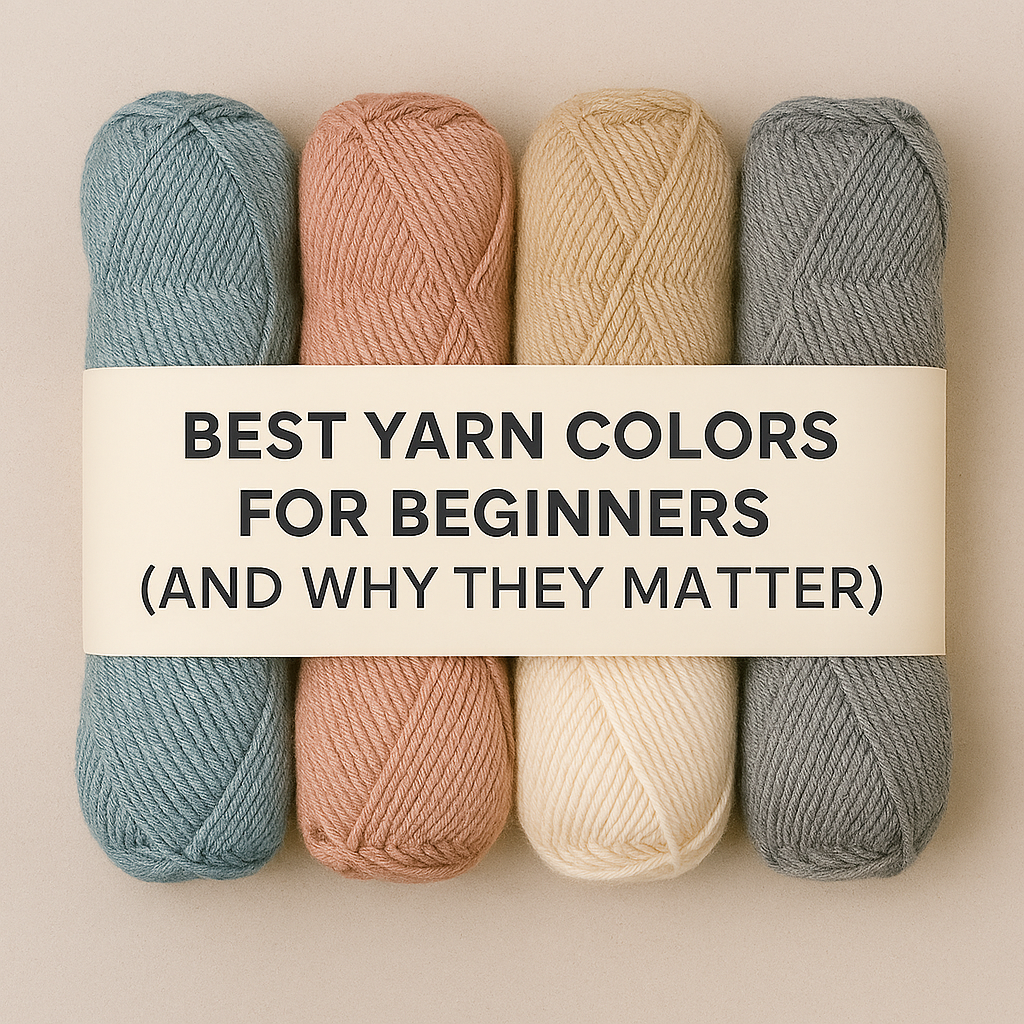
When you’re new to crochet, choosing yarn can feel like a fun treasure hunt. You’re drawn to colors that speak to you—bright neons, deep jewel tones, soft pastels. But did you know that the color of your yarn can actually affect how easy it is to learn?
Light and medium shades are ideal for beginners. Colors like soft gray, pale blue, dusty rose, or light tan make it easier to see your stitches as you work. The contrast between the yarn and your hook helps you spot where to insert the hook and how each stitch is formed. This visibility is key when you’re learning new techniques or trying to fix mistakes.
Dark colors like black, navy, or deep burgundy may look beautiful, but they can be tricky for new crocheters. The low contrast makes it hard to see individual stitches, which can lead to frustration and uneven rows. These shades are best saved for later, once you’re confident in your stitch recognition.
Bright neon yarns can also be challenging. While they’re fun and eye-catching, the intense color can strain your eyes over time, especially under artificial lighting. If you love bold colors, try using them for accents or borders rather than full projects.
Variegated yarns—those with multiple colors in one skein—are gorgeous but can be confusing when you’re learning. The shifting colors can hide stitch definition and make it harder to count rows. Stick with solid or heathered yarns at first, then explore variegated options once you’re more comfortable.
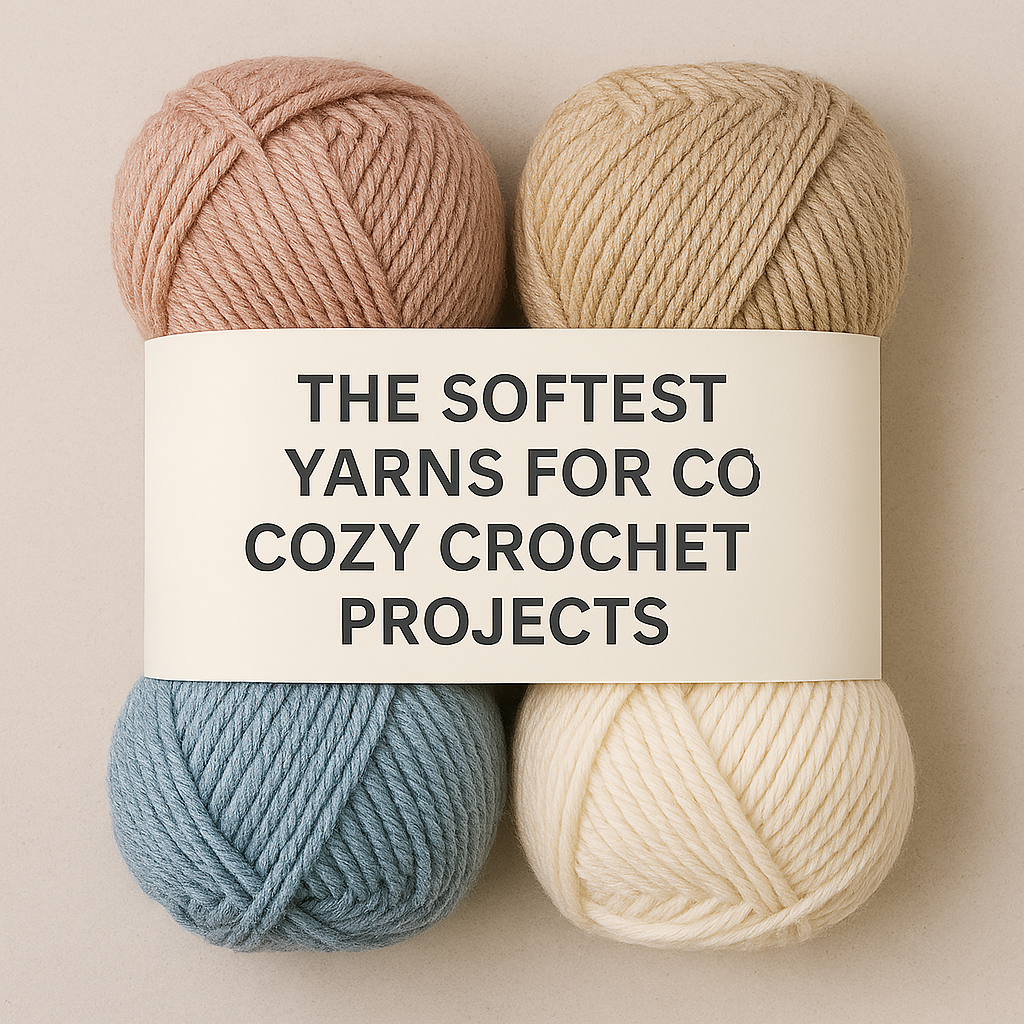
The best beginner yarn colors are soft, solid, and easy on the eyes. Think oatmeal, sky blue, lavender, mint, or peach. These shades help you focus on technique without distraction and make your stitches pop in photos if you’re sharing your progress online.
As you grow more confident, you’ll be able to work with any color you love. But starting with beginner-friendly shades gives you a smoother, more enjoyable learning experience—and that’s what crafting is all about.