Cart
0
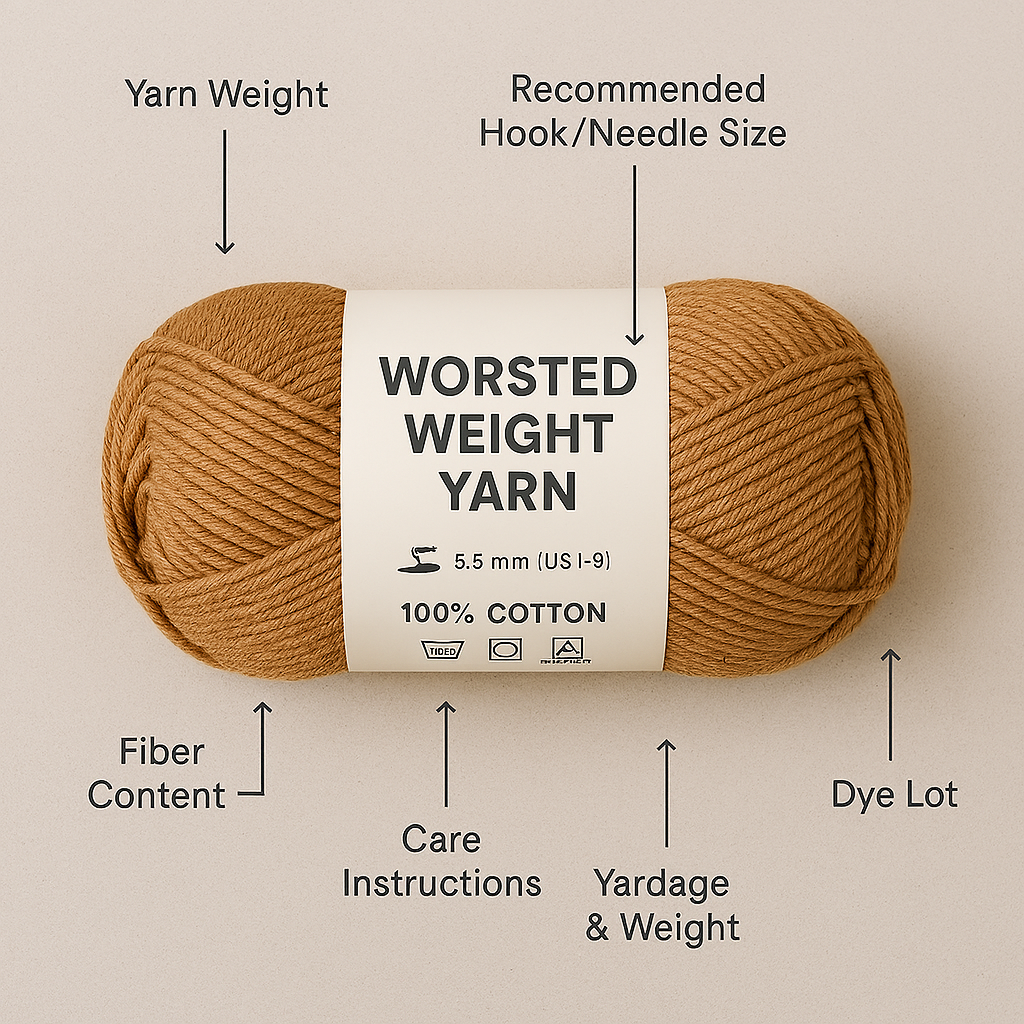
If you’ve ever picked up a skein of yarn and stared at the label like it was written in code, you’re not alone. Yarn labels are packed with useful information, but they can feel intimidating when you’re just starting out. The good news is, once you know what to look for, they become your best crafting companion.
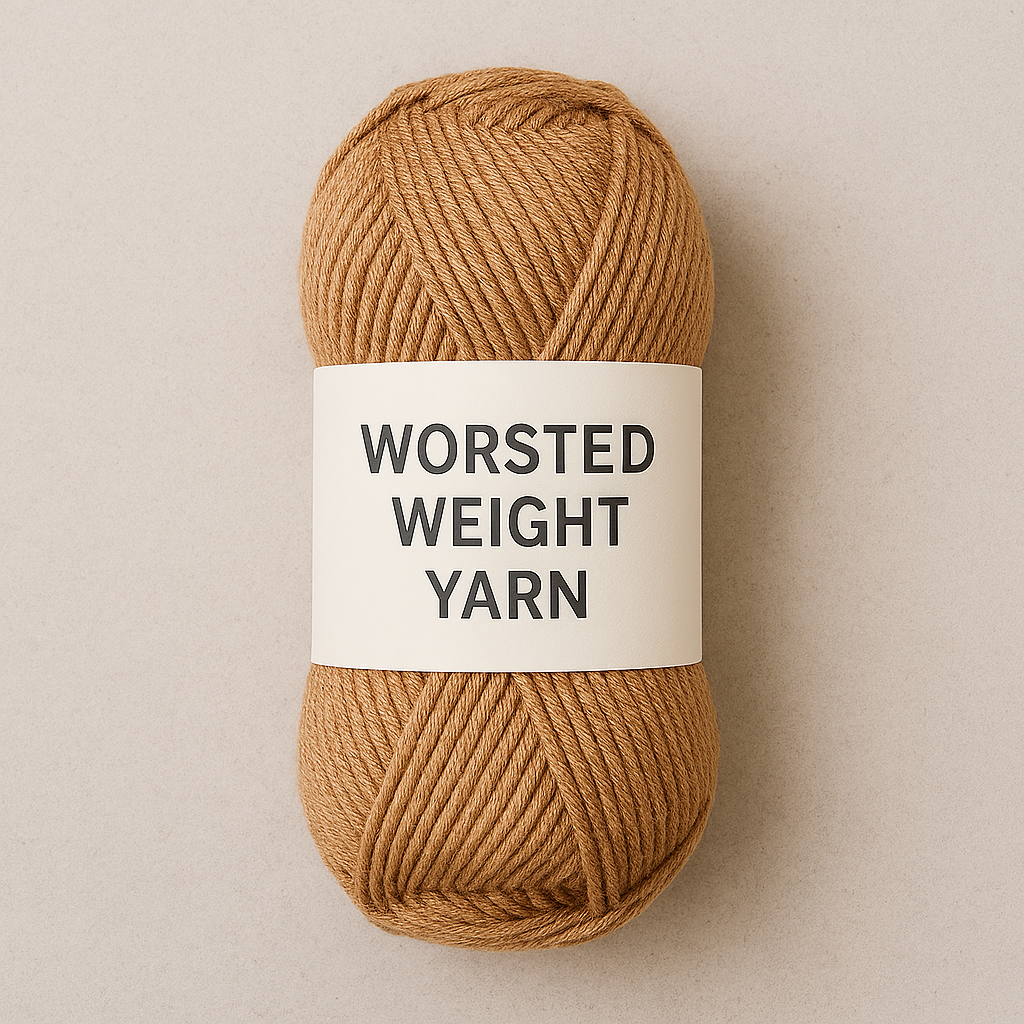
Start with the yarn weight. This tells you how thick the yarn is, and it’s usually listed as a category like lace, sport, worsted, or bulky. Some labels use a number system from 0 to 7, with 4 being worsted weight—a great middle ground for beginners. Yarn weight affects how your stitches look and how your finished project feels, so it’s worth paying attention to.
Next, check the recommended hook or needle size. This gives you a starting point for your tools. If the label suggests a 5.5 mm hook, that’s what the manufacturer thinks works best with that yarn. You can go up or down depending on your tension and the look you’re going for, but it’s a helpful guide.
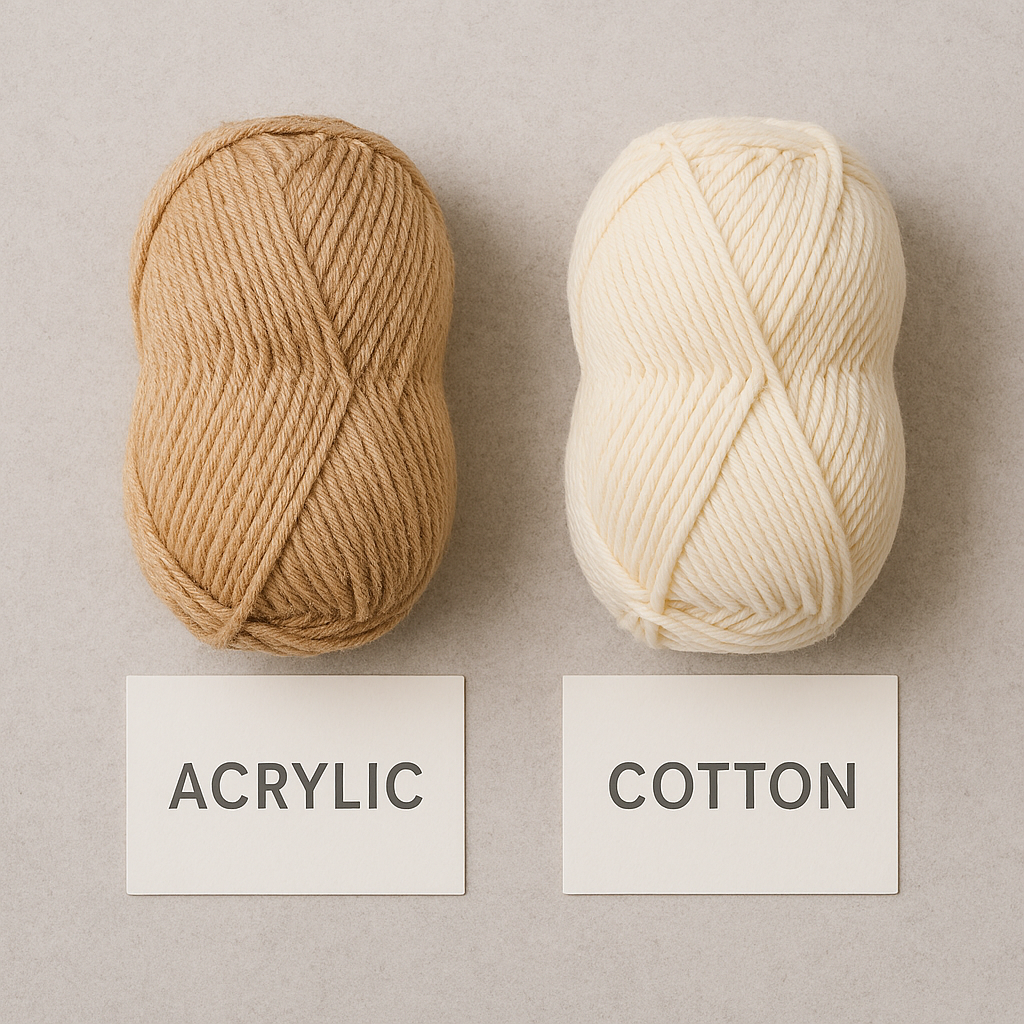
Fiber content is another key detail. It tells you what the yarn is made of—acrylic, cotton, wool, bamboo, or blends. Each fiber behaves differently, so knowing what’s in your yarn helps you choose the right project. Cotton is crisp and sturdy, acrylic is soft and budget-friendly, and wool adds warmth and bounce.
You’ll also see care instructions. These symbols tell you how to wash, dry, and care for your finished piece. Some yarns are machine washable, while others need gentle hand washing. If you’re making something that will be used often, like a baby blanket or dishcloth, easy-care yarn is a smart choice.
Yardage and weight are listed too. This tells you how much yarn is in the skein, which helps you figure out how many skeins you’ll need. A pattern might call for 600 yards of worsted weight yarn, so if your skein has 200 yards, you’ll need three.
Finally, look for the dye lot number. If you’re buying multiple skeins of the same color, try to get ones with the same dye lot. That ensures the color matches perfectly across your project. Even slight differences can show up in large pieces like blankets or sweaters.
Yarn labels aren’t meant to confuse—they’re there to help you make confident choices. Once you get familiar with the layout and terms, you’ll be able to scan a label and know exactly what you’re working with. And that’s when the fun really begins.